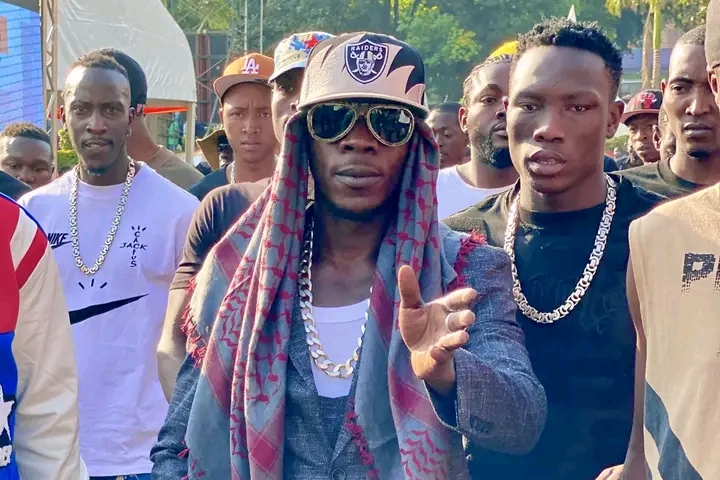
Ugandan Police Limit Number of Bodyguards for Musicians
In a move aimed at curbing security concerns and promoting public order, the Ugandan police have introduced a new regulation limiting the number of people allowed to accompany musicians and entertainers in public spaces. As of Monday, January 5, 2025, the police have announced that no artist or entertainer will be permitted to be in the company of more than five people while in public.

This decision comes after growing concerns over the large entourages often seen accompanying musicians during performances, public appearances, or travel. The police argue that the presence of excessively large teams can lead to chaos, disrupt public order, and complicate security efforts.
Under the new directive, the five individuals accompanying the musician must include essential personnel such as the artist’s DJ and their cashier. The policy, however, does not apply to formal events where more security personnel may be required. The move is also part of broader efforts to streamline crowd control and ensure the safety of both the artists and the general public.
Critics of the policy, particularly those in the entertainment industry, have raised concerns that this new restriction could limit the freedom and flexibility of musicians. Many entertainers rely on their extended teams for various logistical, promotional, and security reasons. Reducing the number of people allowed to travel with them might make it harder for artists to manage the demands of their public lives.
However, the police have emphasized that the rule is not aimed at restricting the success of artists but rather ensuring a safer environment for all citizens. The authorities have also stated that the rule is part of a larger strategy to tackle crime, control mob behavior, and maintain public safety, especially in high-profile public events.
This latest development is a reminder of the increasing regulation of the entertainment industry in Uganda, as artists continue to play a vital role in shaping public culture. With this new directive, musicians will need to adjust to a more regulated way of moving around in their professional lives. It will be interesting to see how the policy affects the dynamic between artists, their fans, and the authorities moving forward.