By Okurut Peterson
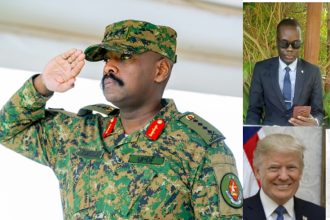
KAPELEBYONG, Uganda – The winds of political change are sweeping through Kapelebyong District as National Resistance Movement (NRM) delegates openly challenge incumbent Eastern Region Vice Chairman Capt. Mike Mukula’s campaign style—dismissing it as “politics full of history”—and declare their support for David Calvin Echodu’s bid for the powerful Central Executive Committee (CEC) seat.
The development emerged during a tense round of CEC mobilization meetings in the Teso Sub-region, where both Mukula and Echodu are courting delegates ahead of the crucial NRM Delegates’ Conference set for August 27–28.
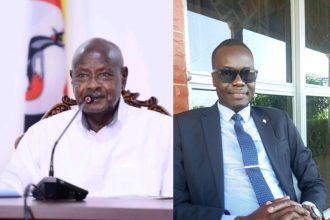
Addressing an enthusiastic crowd, Echodu pledged to infuse “new energy” into the party’s leadership, vowing to empower cadres, restore unity, and strengthen grassroots structures. In a thinly veiled swipe at his opponent, he accused Mukula of clinging to past glories while neglecting the urgent needs of the present.
“We don’t eat experience,” Echodu told delegates. “If history alone was the solution, one should become a teacher. What our people need today is empowerment, opportunity, and change—not endless stories of the past. Those with bad energy have tarnished the image of our party. We must reclaim it with action, not nostalgia.”

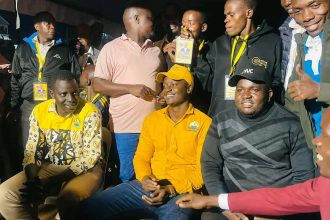
Kapelebyong District NRM Chairperson Patrick Ibalat acknowledged that while history has its value, it is proving increasingly ineffective in mobilizing Uganda’s predominantly youthful population.
“Historians are great philosophers, but most young people want to know how they will prosper, not how leaders suffered in the past,” Ibalat said. “Here in Kapelebyong, where most leadership positions are held by the youth, messages of hope and development resonate far more. People want roads, better markets for their produce, and sustainable peace.”
Several delegates were blunt in their criticism of the incumbent, accusing him of failing to nurture grassroots structures and only reappearing during campaign seasons. They argued that while history can inspire, it does not address today’s economic and social challenges.
“History can’t put food on the table,” one delegate remarked. “We need a leader who works year-round to deliver tangible results. Echodu’s ideology speaks directly to our current realities.”
With just weeks to the Delegates’ Conference, the Eastern Region Vice Chairmanship race is shaping into a high-stakes contest between entrenched legacy politics and a rising movement for fresh, youth-driven leadership.
For now, in Kapelebyong at least, the message is clear: the future, not the past, will decide the vote.