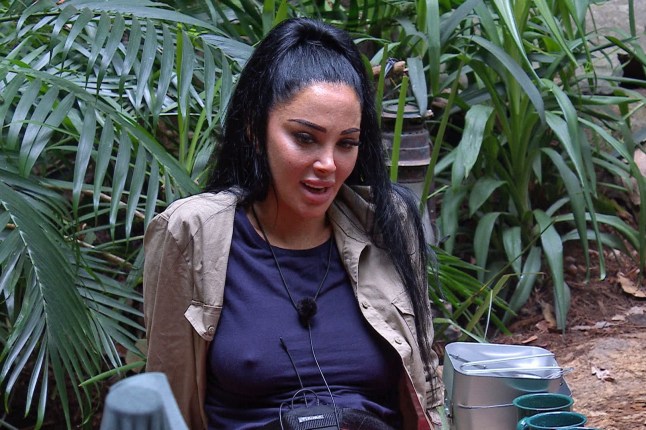
On Tuesday night, Tulisa revealed on I’m A Celebrity… Get Me Out Of Here! that she identifies as demisexual.
“I need to have a really close emotional bond with someone,” the 36-year-old singer-songwriter and former N-Dubz star shared. “I need real depth… I’m a slow, slow burner. For me, it’s all about the connection and the emotions that I feel with someone, and then wanting to express them in that way.”

It’s likely that many viewers responded with either confusion or skepticism at the term, which highlights why having this conversation on a national platform is so important.
From a young age, I knew I wasn’t straight (demisexuals can be attracted to any gender). Unfortunately, the access I had to same-sex “relationships” as a teenager often revolved around physical intimacy. Through apps, what I thought were mutual feelings usually turned out to be older men seeking casual encounters with someone much younger.

For years, this led to an internal struggle to separate sex from emotion. I often believed I had to offer one to receive the other, resulting in mistakes and scars along the way. For example, I found it difficult to form meaningful friendships with other men and sometimes agreed to situations I didn’t truly want.
As I moved into my 30s, I began to better understand who I am and how my emotions function. While casual encounters don’t make me feel “physically sick,” as Tulisa described, they often leave me feeling empty. Occasionally, I don’t even enjoy them. Yet, a longstanding link between emotional validation and sex pushed me to pursue them anyway.
It wasn’t until my 30s that I first heard the term “demisexual.” While the concept is broad, at its core, it describes needing an emotional bond or connection before engaging in or enjoying physical intimacy.

For the first time, there was a word that resonated with how I had always felt.
Not long after, I discussed demisexuality with friends and shared how much I identified with the concept. However, one person dismissed it, laughing and claiming it “wasn’t a real thing” in front of the group.
That moment embarrassed me, and I’ve talked about it less since.
Even as I write this article, I don’t see identifying with demisexuality as a central part of my outward identity. While it might be useful to share with potential partners, it’s a deeply personal aspect of me, unlike how being gay influences my daily life—for instance, how I navigate homophobia, where I travel, or even awkward conversations at the barber.
In truth, I write this piece more as a supporter of Tulisa than as someone identifying with demisexuality. I was nearing the end of high school when N-Dubz first broke onto the music scene, and I remember watching them on Channel U (RIP). As their music gained popularity, I added their tracks to party playlists, requested their songs at clubs, and yelled “na na nai” in student halls.
Over the years, I’ve seen Tulisa face relentless criticism and misogynistic classism.
I’ve also had the privilege of seeing her perform live, including at a fundraiser for LGBTQ+ youth facing homelessness. Unsurprisingly, she nailed it, winning everyone over as only The Female Boss could.

At the end of the day, seeing someone as prominent as Tulisa discuss demisexuality on a national stage is a significant milestone.