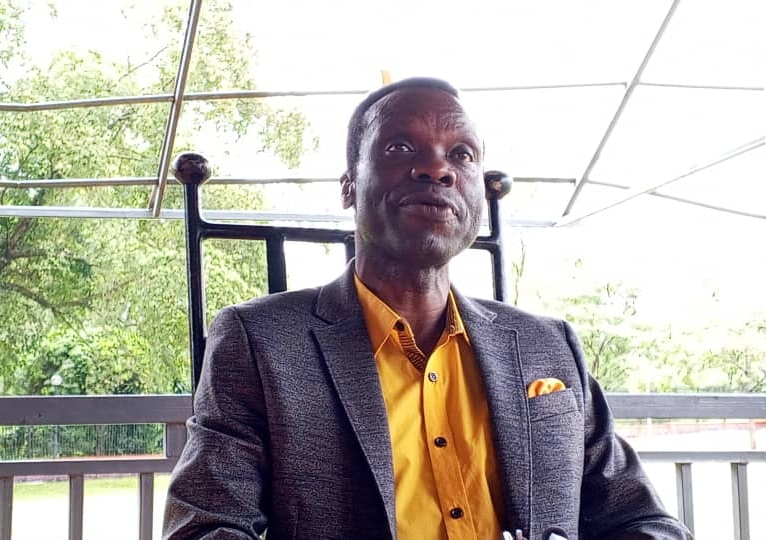
Echodu Urges Massive Turnout as President Prioritizes Development, Cattle Compensation, and Infrastructure
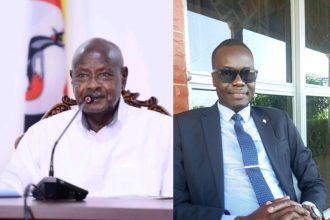
The President of Uganda, H.E. Yoweri Kaguta Museveni, is set to begin a six-day campaign trail across the Teso sub-region this afternoon, with Kapelebyong District as his first stop. The tour, expected to be one of the most closely followed ahead of the 2026 general elections, aims to strengthen the National Resistance Movement’s (NRM) political base while engaging citizens on key development issues.
According to Hon. David Calvin Echodu, the NRM Vice Chairperson for Eastern Uganda, the President’s visit is intended to consolidate the ruling party’s achievements in Teso and address long-standing community concerns, particularly those surrounding cattle compensation, restocking, and infrastructure improvement.
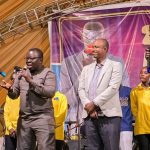
“I’m excited to announce that the President will this afternoon arrive in Teso Region, beginning with Kapelebyong,” Echodu told TNN Online on Thursday morning at Soroti Hotel.
After Kapelebyong, President Museveni is expected to proceed to Kaberamaido and Kalaki tomorrow, followed by Amuria and Katakwi on Saturday. Sunday will serve as a rest day before he continues to Soroti District, Soroti City, and Serere on Monday. On Tuesday, he will visit Ngora and Kumi, concluding the Teso trail with a grand rally in Bukedea on November 5th, before heading to Bugisu later that day.
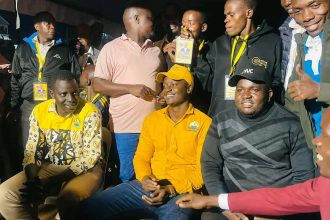
Echodu said preparations across all districts were in “high gear,” with residents showing overwhelming enthusiasm despite recent rains that affected some roads. He emphasized that the President’s discussions with the people would center around issues that have long shaped livelihoods in Teso.
“There are overarching issues that affect the entire region — the question of cattle, restocking, compensation, health, education, and infrastructure,” Echodu explained. “These are matters that continue to define the daily lives of our people.”
While acknowledging ongoing challenges, Echodu urged citizens to take a balanced view that appreciates both progress made and remaining gaps.
“We don’t want to begin from a negative side. There’s a tendency for people to forget what has already been done and only focus on what is lacking,” he said. “For example, when we talk about infrastructure, people forget how difficult it once was to travel from Soroti to Moroto. Today, that journey takes barely an hour.”
He highlighted key infrastructure developments — including the Lira–Soroti, Soroti–Mbale, Kumi–Ngora–Serere–Kagwara, and Serere–Soroti roads — noting that such projects have transformed trade, reduced transport costs, and boosted market access for farmers.
“People are making money on those roads now. Farmers can reach markets faster, and transport costs have reduced significantly,” Echodu added.
The NRM regional leader further praised the government for maintaining peace and stability in areas like Kapelebyong, which had previously experienced insecurity.
Echodu also placed Uganda’s development journey in a global context, urging citizens to recognize the strides made over the years.
“Uganda is a young country. We don’t claim to be developed yet, but we’ve done a lot within a short time. Remember, Britain is over 800 years old; the United States is over 250 years old and only became a global power about a century ago,” he said. “NRM has laid the foundation for sustainable development within just a few decades.”
He called upon all stakeholders — from the media to community leaders — to unite in welcoming the President and to participate actively in the engagements throughout the week.
“I urge everyone, the media fraternity, leaders, and the people of Teso, to turn up in big numbers and welcome the President. Let’s give him a resounding reception,” Echodu appealed. “We saw in West Nile, Acholi, and Karamoja how people came out in unity. Let us not lag behind.”
As the President embarks on the Teso trail, anticipation is high that his visit will further strengthen the bond between the NRM government and the people, while offering renewed hope for development and progress in the sub-region.